
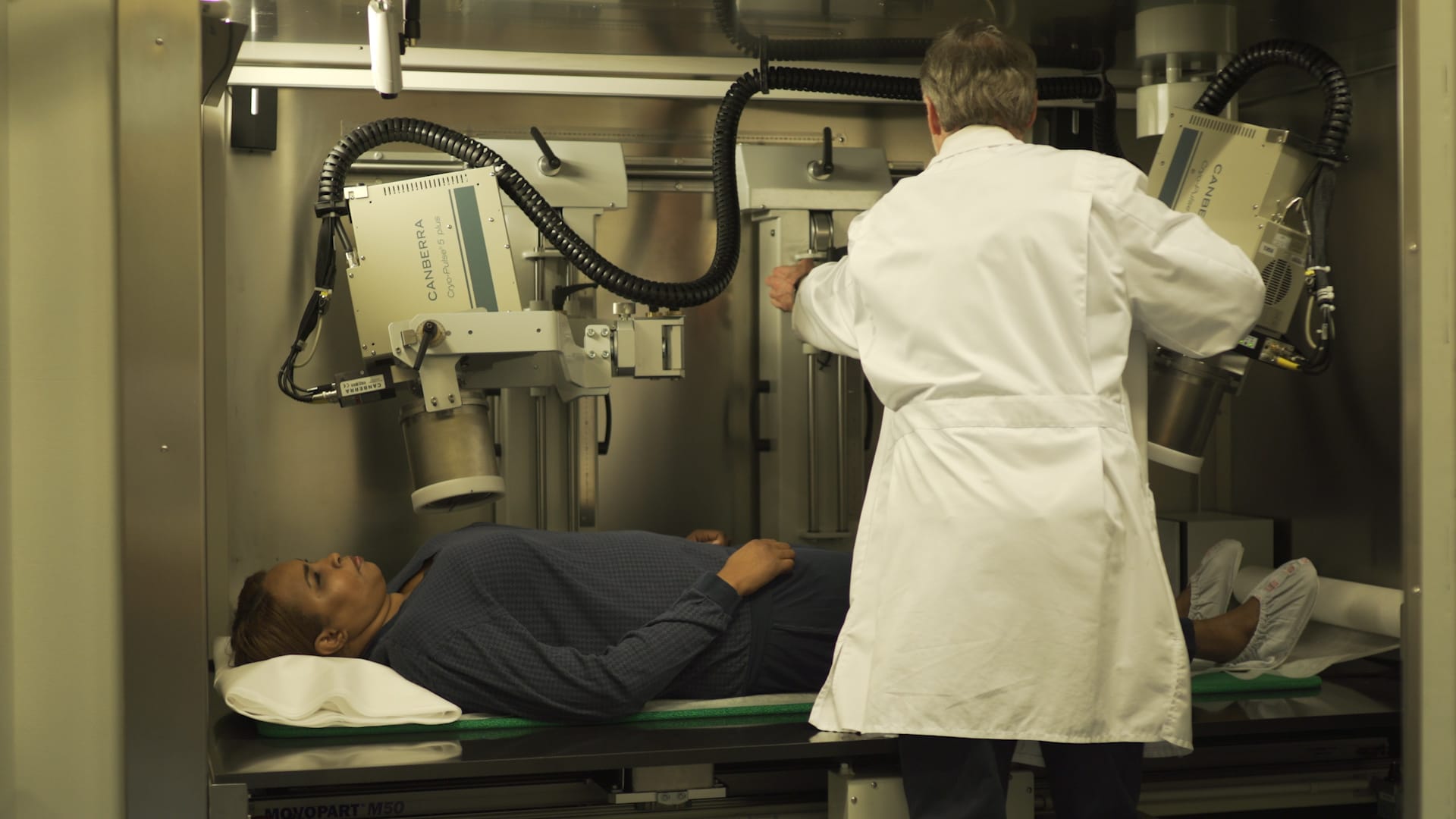
Last month, our client’s $2 million surgical robot started glitching during procedures. The culprit? A tiny semiconductor that couldn’t handle the radiation from the hospital’s new CT scanner next door. This isn’t uncommon – we see it all the time.
The Reality of Radiation in Electronics
Here’s something most people don’t realize: radiation is everywhere. Your phone, your car’s computer, that smart insulin pump – they’re all getting bombarded by cosmic rays, medical equipment emissions, and electromagnetic interference daily. Most of the time, nothing happens. But when it does? Well, that’s when engineers like me get frantic calls at 2 AM.
Radiation testing semiconductor devices isn’t just about ticking compliance boxes. It’s about preventing the kind of failures that make headlines for all the wrong reasons.
What We’ve Learned from Real-World Failures
I’ve been doing this for 15 years, and the patterns are always the same. A client rushes to market, skips thorough radiation testing, and then discovers their device fails spectacularly in the field. Chip failure radiation testing isn’t glamorous work, but it reveals problems you’d never anticipate.
Take autonomous vehicles – we tested one system where cosmic radiation at 35,000 feet (think airplane altitudes) caused the navigation chip to misread GPS coordinates by several miles. Imagine that happening to your self-driving car.
Medical Devices: Where Failure Isn’t an Option
Biomedical device radiation compliance hits different because lives are literally on the line. I remember testing a pacemaker that worked perfectly in our lab but started misbehaving near MRI machines. The interference wasn’t strong enough to cause immediate failure, but it was gradually corrupting the device’s memory.
Medical facilities are radiation minefields. X-ray machines, linear accelerators, even those handheld ultrasound devices can interfere with sensitive electronics. We’ve seen insulin pumps deliver incorrect doses, defibrillators fail to charge, and monitoring equipment give false readings – all because of radiation exposure nobody anticipated.
Getting Through Certification (Without Losing Your Mind)
Medical device radiation certification feels like navigating a bureaucratic maze, but there’s method to the madness. The FDA and international bodies have seen enough failures to know which tests actually matter.
Pro tip from someone who’s been through hundreds of these: start testing early. Waiting until the end of your development cycle is like discovering your house foundation is cracked after you’ve finished the roof. Expensive and painful to fix.
The Autonomous Technology Wild West
Autonomous technology radiation testing is where things get interesting. These systems operate everywhere – from underground mines to satellite networks. Each environment throws different radiation challenges at your electronics.
We recently worked with a mining company whose autonomous trucks kept losing communication underground. Turns out, natural radioactivity in certain rock formations was causing intermittent chip resets. Nobody had considered that scenario during design.
What Actually Works (Based on Real Experience)
After dealing with countless radiation-induced failures, here’s what prevents disasters:
Test early, test often, and test in conditions that mimic your actual operating environment. Lab testing is great, but radiation behaves differently in the real world.
Don’t assume your supplier’s radiation specs are complete. We’ve found discrepancies between datasheets and actual performance more times than I can count.
Plan for graceful degradation. When radiation does cause problems, your system should fail safely, not catastrophically.
The Bottom Line
Radiation testing isn’t optional anymore – it’s survival. Whether you’re building the next generation of medical devices or autonomous systems, ignoring radiation effects is a gamble you can’t afford to take. Trust me, fixing problems in the field costs way more than preventing them in the first place.